 Obesity remains a top concern among health professionals in the U.S. According to a study published in the Journal of American Medicine (JAMA), more than one third of adults in the U.S. are clinically obese (source). People who fall under this category are more likely to develop heart disease, diabetes, and even certain types of cancer.
While there’s no substitution for exercise and a well-balanced diet, the ancient Chinese practice of acupuncture may promote weight loss in adults battling obesity. Numerous studies have reinforced the belief that acupuncture can aid in weight loss. So instead of embarking on a potentially dangerous “fad” diet, such as an all-liquid lemon detox diet, consider acupuncture treatment to assist in your weight loss efforts. continue reading
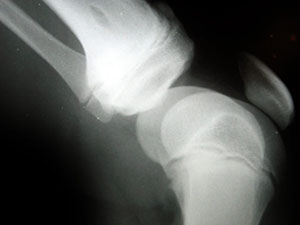 Knee arthritis is a painful condition in which the joints in the knee become inflamed. Depending on the severity of the condition, it may limit an individual’s normal range of motion, forcing him or her to keep body weight off the affected knee. While there’s no known cure for arthritis of the knee, a recent study found herbal acupuncture to effectively treat the symptoms associated with this condition.
 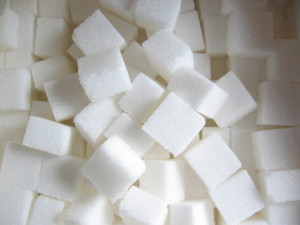 Are you addicted to sugar? If so, you aren’t alone. According to the American Heart Association (AHA), the average American consumes a whopping 89 teaspoons of sugar per day – about 3-4 times more than the recommended daily allowance.
 The workplace is one of the top sources of stress in the average person’s life. According to a 2009 study conducted by the American Psychological Association (APA), a staggering 69% of employees in the U.S. say work is a “significant source of stress,” and 41% say they are tense throughout the workday. If you constantly feel stressed at work, try some of the following tips to create a more tranquil and relaxing work environment.